
Oh, Snap
Whispering talk of a snap election is just that...talk

Election is in the Ottawa air, or so I’m told. We have reports that both the Liberals and Conservatives are getting their nomination processes in gear, and “snap election” is trending in the pundit class. The prime minister denies he’s considering an election “of course we’re not”…which is exactly what he would say if he wants to surprise opponents with a snap election…
Let’s stop speculating: there will not be a snap election. While it makes sense to keep the opposition wary and edgy and generally a little paranoid, it would be an insanely high risk gamble for the government to call an election in the next few months; we’re only ten months out from the last one.
Let’s review some history. There are five modern cases of federal minority governments pulling their own plug early, as opposed to losing the confidence of the House - 1958, 1965, 1968, 2008 and 2021. (The 1963, 1974, 1980, 2006 and 2011 elections were all due to confidence losses). In each case the story is broadly similar; a government chafing with the petty inconveniences of minority, and feeling itself superior to the pesky opposition, hands in its cards for a redeal in hopes of a better hand. In 1965 and 2021 the results were: almost exactly the same. 2008 did see an improvement for the Conservatives and further decline for the Liberals, but still a minority, with a bonus constitutional crisis to come. Only 1958 and 1968 were big payoffs. But momentum was already with the Tories in 1958, aided by rookie Liberal leader Lester Pearson who made the all-time most arrogant Grit speech ever, suggesting the government simply resign and let the Liberals resume their rightful place without an election. And 1968…Trudeaumania. (Of course there’s a sixth case of a minority dissolving itself: 2025, but that wasn’t early and was largely to forestall a House defeat.)
In short, trying to turn the government off and back on to reset and fix your minority situation usually doesn’t work. (On the other hand, it doesn’t seem to lead to losing office…though recall that the Clark government welcomed its parliamentary defeat in 1979, feeling it could pull off another big Diefenbaker majority. It did not.) And all of the above except 1958 were after at least two years in office….not ten months, as at present.
What about majority governments calling snap elections? Now here we have some fun federal cases…1997 and 2000. The Chrétien government called the 1997 election after 41 months in office, short of the customary four years…why, no one fully knows apart from Liberal arrogance; even Chrétien later said it had been a bad idea. The government won a narrow five seat majority, and was lucky to do so. Impatience almost led to disaster, or at least serious inconvenience.
Then came 2000…and again the government went early, less than three and a half years after the last election. But this time there was more logic; in fact the 2000 call remains one of Jean Chrétien’s gutsiest decisions, and a reason for his superstar elder status in the party today.
Two things were on Chrétien’s mind. One was his open warfare with Paul Martin; Chretien has often said he had planned for only two terms, but Martin’s pushiness annoyed him so much that he stayed; whether or not that’s true, Chretien needed a new election win to quell the insurrection (which did consume him two years later).
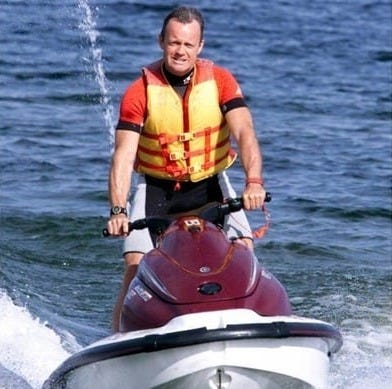
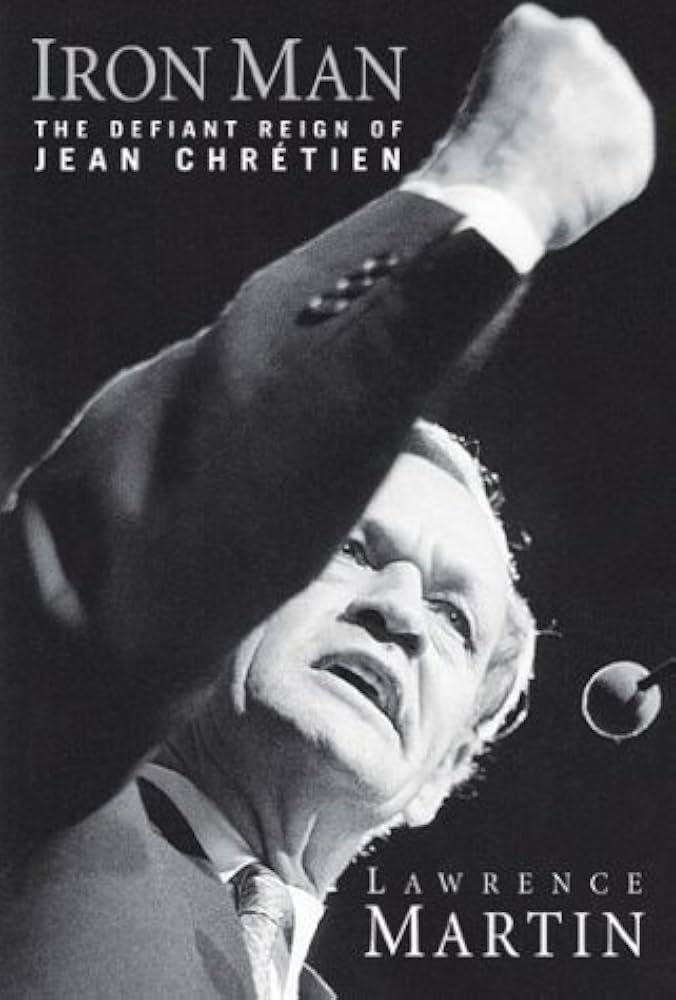
The second was Stockwell Day, leader of the new-and-supposedly-improved successor to the Reform Party, the Canadian Alliance. It’s quaint now to recall that in September 2000 Day looked like hot stuff, riding a Jet-Ski to a press conference after he won his Kelowna byelection . But the old pro from Shawinigan saw through the wetsuit to assess Day as a superficial amateur he could beat. Day then gave him an enormous gift by casually suggesting in the House that the prime minister “either resign…or call an election,” undercutting any criticism of going to the polls early. Chrétien even received election advice from that master of the democratic voting process, Fidel Castro. According to Lawrence Martin’s book Iron Man, while attending Pierre Trudeau’s funeral Castro ended up sharing an elevator with Day. After their conversation, the unimpressed Castro advised Chrétien to strike while the iron was hot.
Still, many were wary - here’s a good contemporary account of the uncertainty of the early weeks of the 2000 race. But 2000 was a solid win with an increased majority. Chrétien looked pretty darn smart, and that’s why at ninety-two he is still the undisputed rock star of the Liberal Party of Canada.
So what does a true snap election look like? One where the government is already consistently riding high in the polls, and just wants to lock in another four years. We have the perfect example in the Totally Unnecessary Ontario Election of last year. The Ford Conservatives dissolved the legislative assembly solely to trade in for a new majority, with almost the same seat count…but now good to 2029.
THAT’s what a snap election looks like….not a gamble or attempted reset, but one where the government has total confidence and just wants to keep the party going as long as it can. Times are good for the Carney government, but not that good and whatever his faults, Pierre Poilievre is a much tougher opponent than Stockwell Day. While they do seem to be inching to a majority through Conservative defections, for now the Liberals will just have to keep putting up with the inconveniences of minority government. A snap election is a very unlikely, very bad, idea.
I think a particular reason the public would be unimpressed with a snap election is that this doesn’t feel like a minority government. The opposition is fairly publicly whipped, Carney is having no issue passing his agenda, and he’s clearly busy with the business of governing. Interrupting all that for an election would not be well received
If something changes and the opposition starts making it hard to pass popular policies then that math also changes too.